
Ep027:
Beyond the Illusion
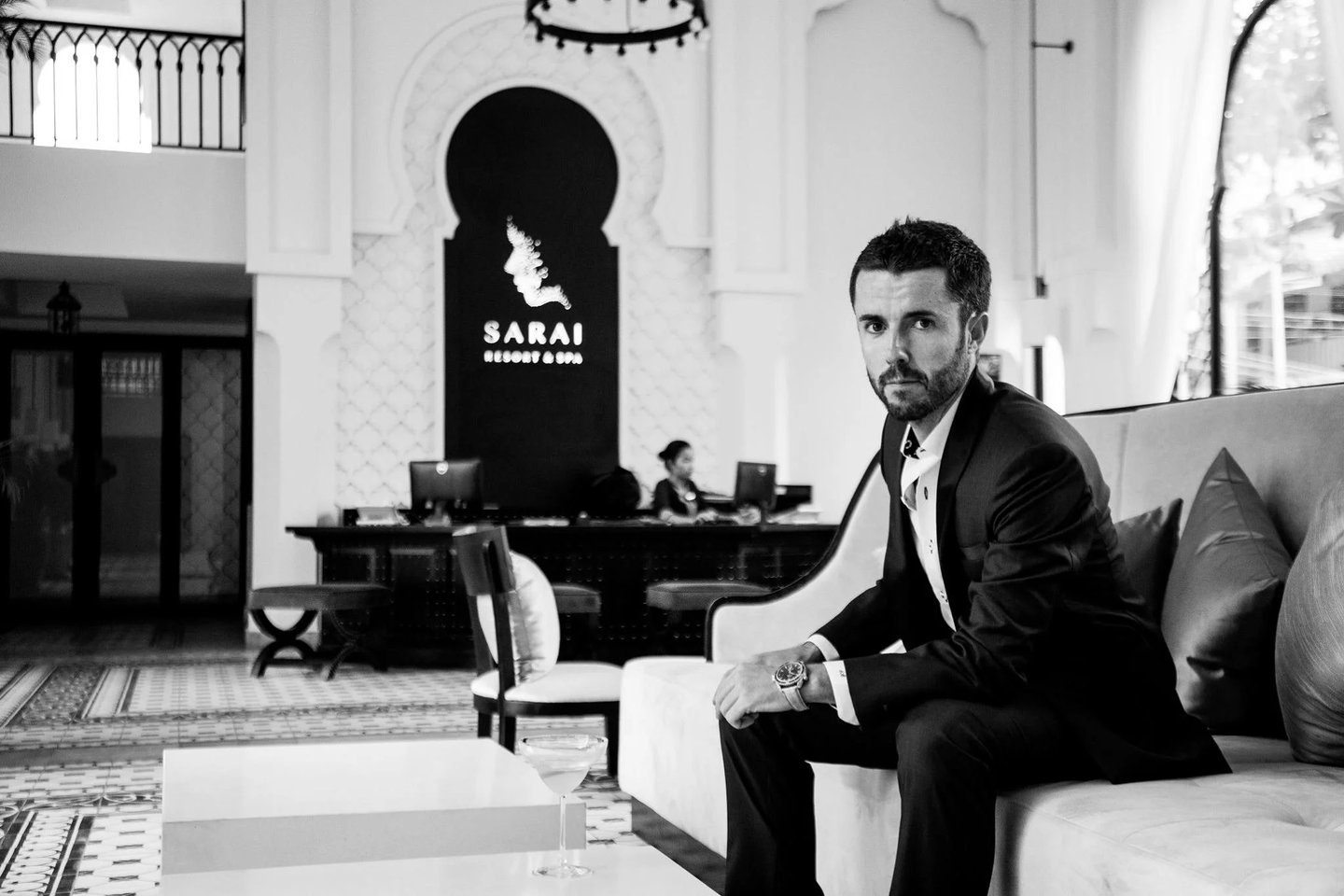
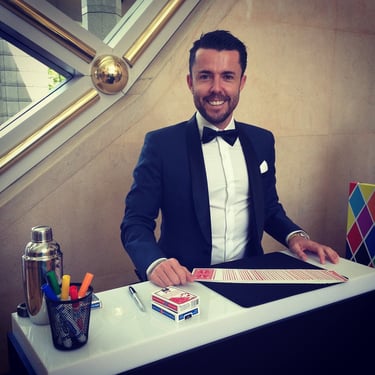
Candlelight. A creaking old house on a South African nature reserve. Wind outside, silence within. We sit down with world-touring magician Sean Borland to unpack the seance that electrified a room, the billionaire who pushed him to his limits, and the moment he describes as “the beginning of the end.” From Sydney street performances to elite private islands, Sean built a career most performers only dream of, performing for billionaires, royalty and A-list celebrities around the world.
But this episode goes deeper than spectacle. Sean breaks down the psychology behind illusion, how suggestion, selection and silence shape belief, and where performers must draw ethical lines. From a Victorian-style Oracle Act and the question “Should I leave my husband?” to the pressures of mastery and walking away when the journey feels complete, this is a conversation about influence, responsibility, and what lies beyond the illusion.







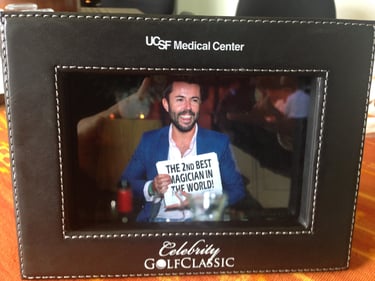


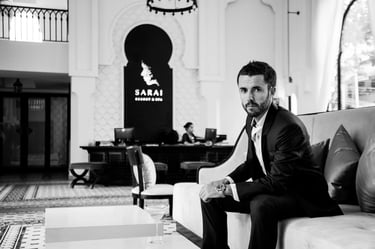
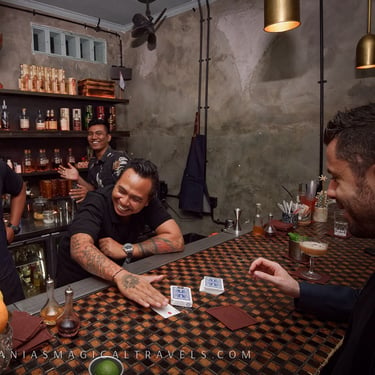

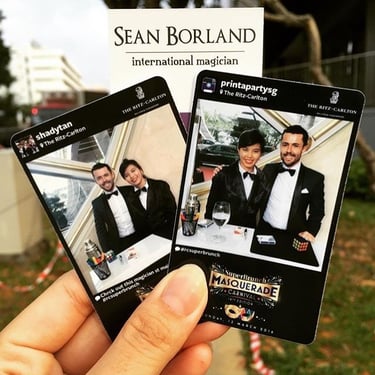
EPISODE OVERVIEW
Beyond the Illusion: Inside the Mind of Sean Borland
What does it take to walk away from a stable career, move to rural China, practice ten hours a day for a year — and eventually perform for billionaires, celebrities, and royalty?
In this episode of No Ordinary Monday, Sean Borland pulls back the curtain on a life built around obsession, discipline, and psychological mastery — and the unexpected moment that led him to walk away from it all.
The Lightning Bolt Moment
Sean didn’t grow up dreaming of a career in magic. In fact, after studying business and Spanish, he was working in Spain in what he describes as a comfortable — and deeply boring — retail management job. Everything changed after attending a dinner magic show almost by accident.
That night became the line in the sand.
Within weeks, Sean was devouring books, studying sleight of hand, and searching online for “how to become a professional magician.”
He sought out mentors, immersed himself in underground magic circles, and eventually received brutally direct advice from a master magician: “Get rid of your girlfriend. No distractions.”
Sean took it seriously.
Six months later, he was single. Soon after, he quit his job and moved to rural China for a year — living in near isolation and practicing up to ten hours a day, logging every session in a spreadsheet like a professional athlete in training.
Magic wasn’t a hobby. It became the love of his life.
Busking, Bombing, and Building Resilience
Before the private jets and five-star resorts, there were the streets of Sydney.
Sean performed in chaotic nightlife districts, competing with drunken hecklers, street noise, and crowds who hadn’t paid to see him.
It was brutal — and invaluable.
Those environments forged what he calls “bulletproof audience control.” When you can win over a hostile street crowd, performing for a billionaire becomes just another room.
The Billionaire Bet
Sean’s big break came unexpectedly through a hotel manager who invited him to perform for the owner of one of the world’s most exclusive resorts in Indonesia.
The owner opened with a challenge:
“I hired David Blaine for my birthday party once.”
Sean responded the only way he knew how — by going all in.
At one point, he placed a single playing card face down on the table and asked the billionaire to name it. He said: “Three of spades.” When he turned it over, that’s exactly what it was.
It landed.
Within weeks, Sean was invited to become the resort’s resident magician. Over the next four years, he travelled the world, performing in the Hamptons, New York, and at private events for ultra-high-net-worth individuals.
The Seance That Changed Everything
Years later, at a retreat in South Africa, Sean decided to lean fully into atmosphere and psychology.
In a candlelit, century-old house surrounded by wilderness, he conducted a Victorian-style “Oracle Act” — a classic seance routine revived from 1800s stagecraft.
Participants wrote personal questions, folded them, and dropped them into a bowl. Sean would reveal the question without opening the paper.
Then came one that stopped the room:
“Should I leave my husband?”
In that moment, magic crossed into something deeper. Sean chose diplomacy over drama, delivering a response that returned responsibility to the woman herself.
That night, he felt something shift.
Shortly after, he retired from full-time magic.
Not because he failed — but because the journey felt complete.
The Psychology Behind the Wonder
Throughout our conversation, Sean explains that most of what audiences experience isn’t happening in the magician’s hands — it’s happening in their own minds.
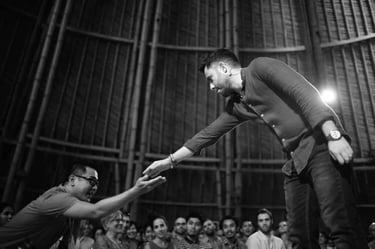
A large part of success, he says, is choosing the right participant.
Magic is less about tricks and more about belief, suggestion, framing, and understanding human psychology. Those same principles now inform his work in ethical sales and persuasion.
But he’s candid about the cost of mastery:
“Be careful what you wish for.”
The pursuit of perfection can be isolating. The grind is relentless. And the reward — often just a few minutes of performance — comes after thousands of unseen hours.
Want to find out more?
Join the conversation on our socials.
© 2025. All rights reserved.